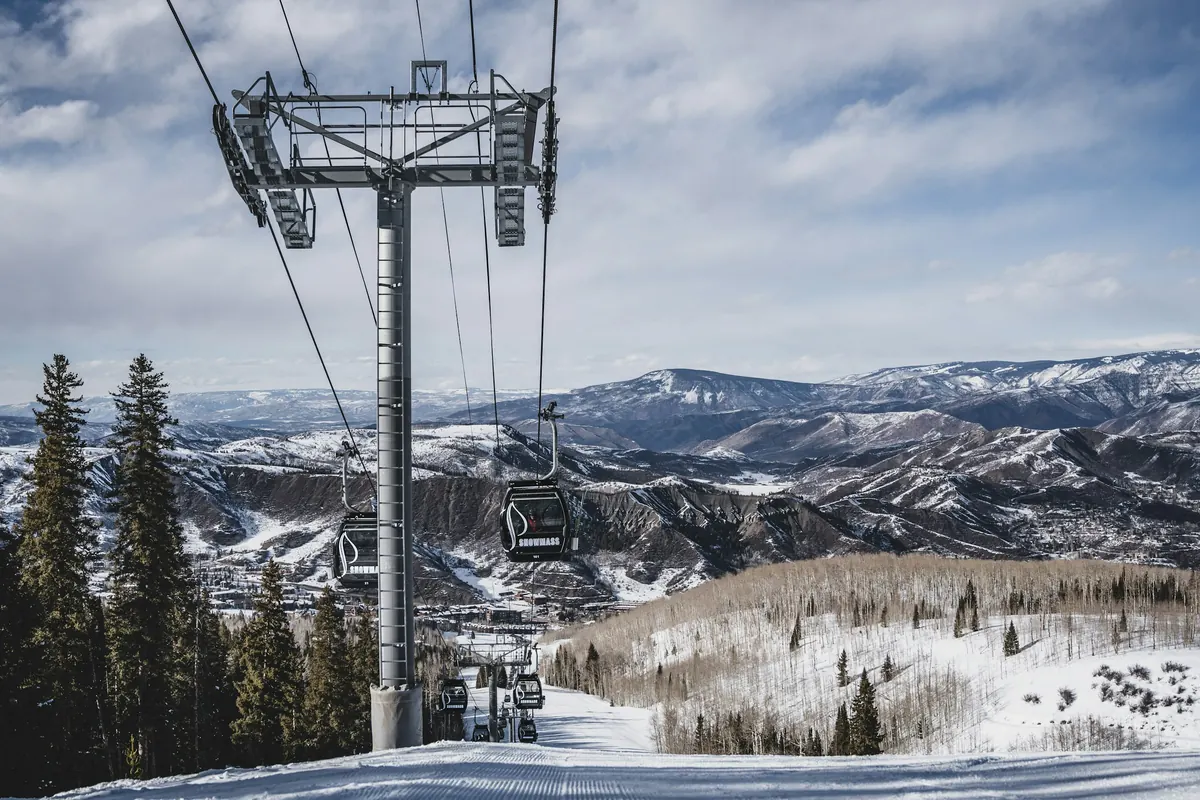
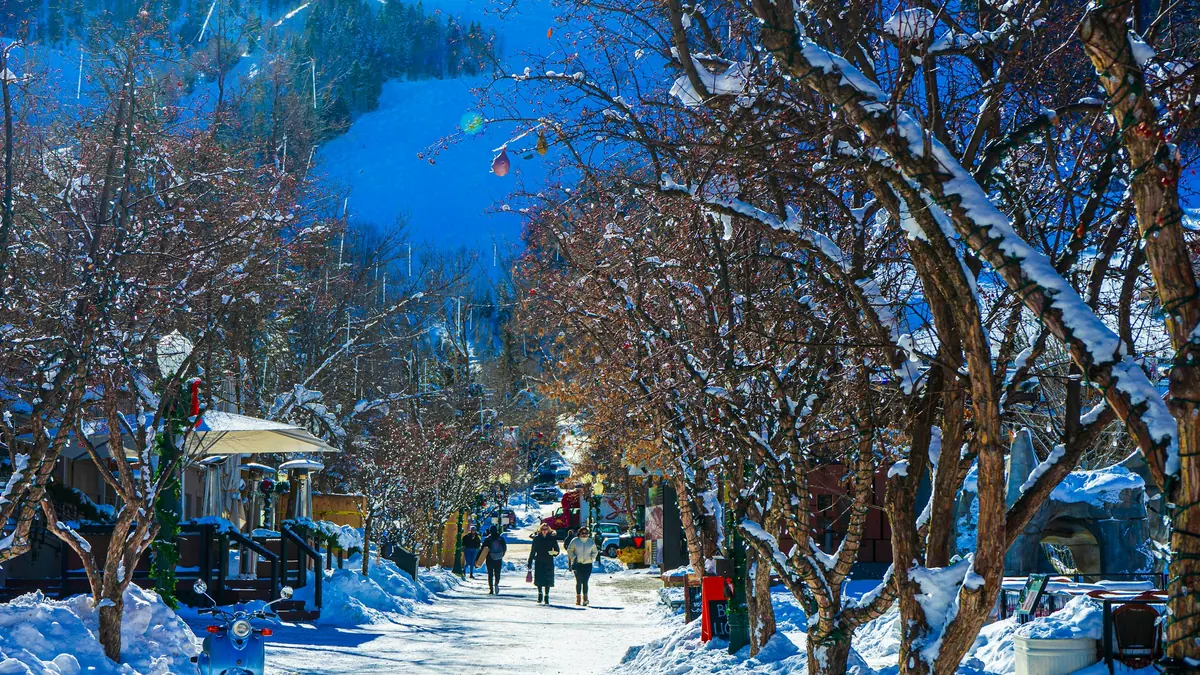
Flying into Aspen: what makes ASE different
Altitude, terrain, crowded weeks and rules that change: what Aspen's airport means for your aircraft, your timing and your plan B.
Read the article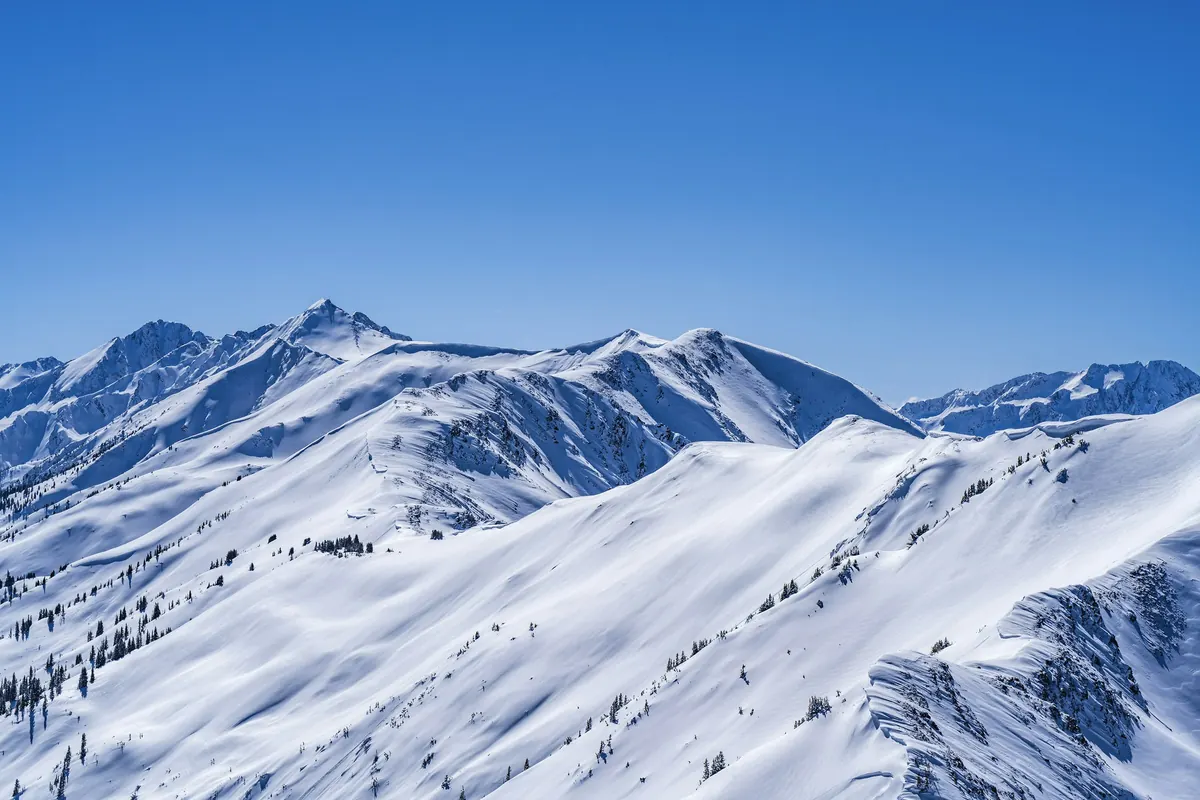
A practical guide to Aspen/Pitkin County Airport: why it is demanding, what that means for your aircraft and timing, and where to land when Aspen won't work.
None of them is a reason to avoid Aspen. Each is a reason to settle the aircraft, the timing and the alternate before you leave.
At 7,820 feet the air is thin. Aircraft need more runway, climb more slowly and can carry less on warm days, when the airport performs as if it were higher still.
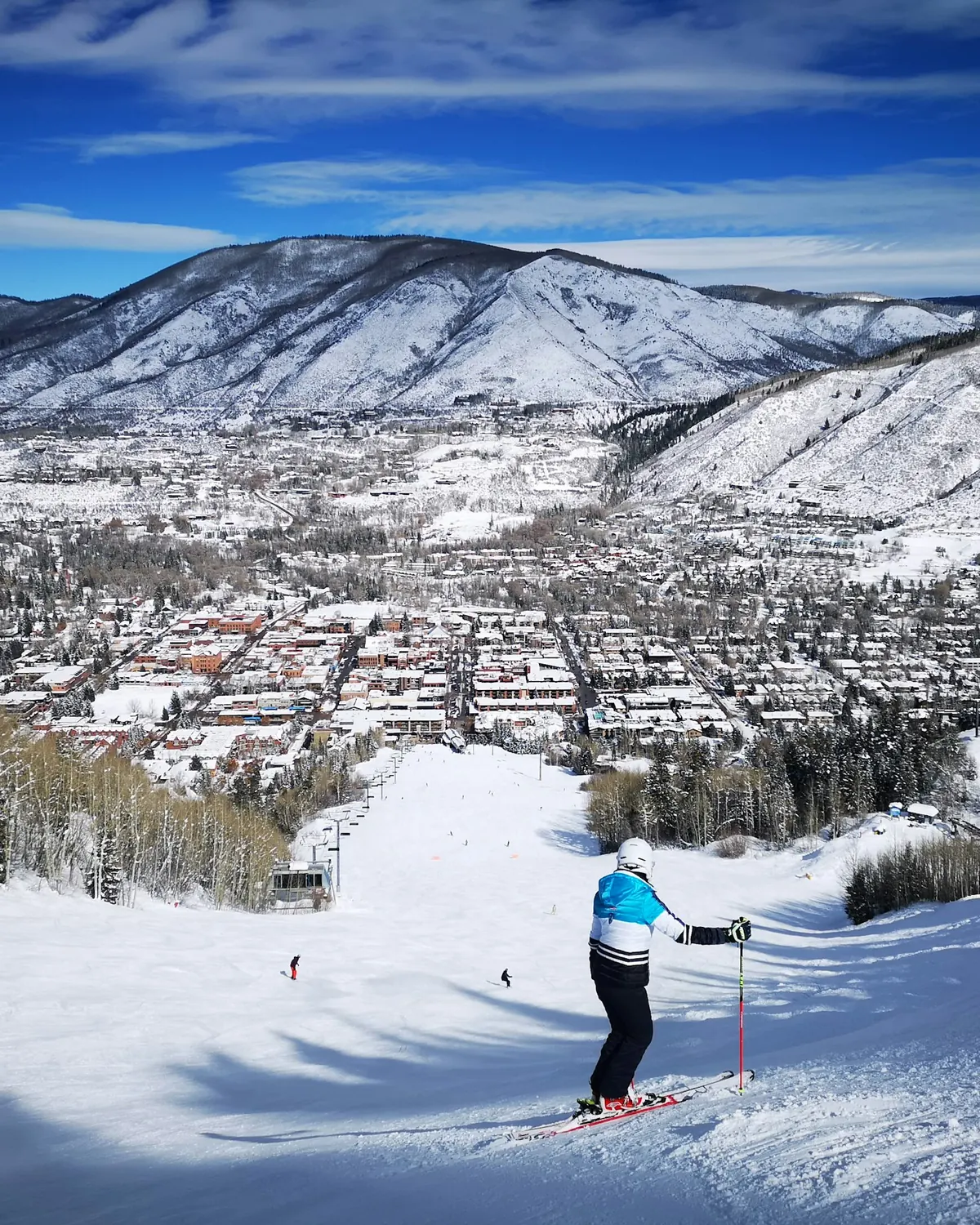
Mountains rise close to the airport. The approach is steep and the procedures demanding, so many operators require crew training specific to Aspen and some allow daylight arrivals only.
Christmas to New Year's, Presidents' Day week, March and the Fourth of July bring heavy traffic. Arrivals can be metered and ramp parking runs out.
Limits on aircraft size and weight, parking and late-night operations have shifted over the years. We check the current notices for your dates.
Most Aspen trips that go wrong were planned like any other trip. These are the adjustments that matter.
Choose the problem to see the usual alternate, the drive into town and what changes for your trip. Drive times are approximate.
Aspen's approach needs better weather than most airports, so it is often the first to close. Eagle County sits lower with a longer runway and less restrictive approaches, and it often stays open when Aspen does not. Rifle is lower again and quieter on busy days.
Aspen limits the size and weight of aircraft it accepts, and the largest long-range jets have often fallen outside those limits. Heat and altitude can also restrict heavy departures on summer afternoons.
In holiday weeks Aspen's ramp fills and parking has needed reservations. The aircraft can still land and drop you, then reposition to park nearby and return for your departure.
Many operators land at Aspen in daylight only, and Aspen also restricts late-night operations. In winter the sun is behind the mountains before 5 p.m., so a late start from the coasts can miss the window.
Approximate figures for planning. Drive times assume clear winter roads by way of Glenwood Springs.
| Airport | Drive to Aspen | By road | Elevation | Runway | Often used for |
|---|---|---|---|---|---|
| Aspen/Pitkin County (ASE) | About 10 min | About 3 mi | 7,820 ft | About 8,000 ft | First choice when conditions allow |
| Eagle County (EGE) | About 1 hr 30 min | About 70 mi | About 6,500 ft | About 9,000 ft | Weather days and larger jets |
| Rifle (RIL) | About 1 hr 20 min | About 70 mi | About 5,500 ft | About 7,000 ft | Busy weeks, parking, canyon closures |
| Grand Junction (GJT) | 2 hr 15 min to 2 hr 30 min | About 130 mi | About 4,900 ft | About 10,500 ft | Heavy long-range jets and summer heat |
When I-70 through Glenwood Canyon closes for weather or rockfall, the drive from Eagle County can take far longer, while the drive from Rifle does not use the canyon. We check road conditions with you on the day.
Altitude, terrain, crowded weeks and rules that change: what Aspen's airport means for your aircraft, your timing and your plan B.
Read the articleHow the three alternates compare, how long the drive into Aspen takes, and how a diversion actually plays out.
Read the articleChristmas, New Year's and Presidents' Day: planning the aircraft, the arrival time and what the jet does while you ski.
Read the articleSend us the dates and the group. Your quote comes with the aircraft matched to Aspen and the alternate already chosen.